Little Objects, Big Stories
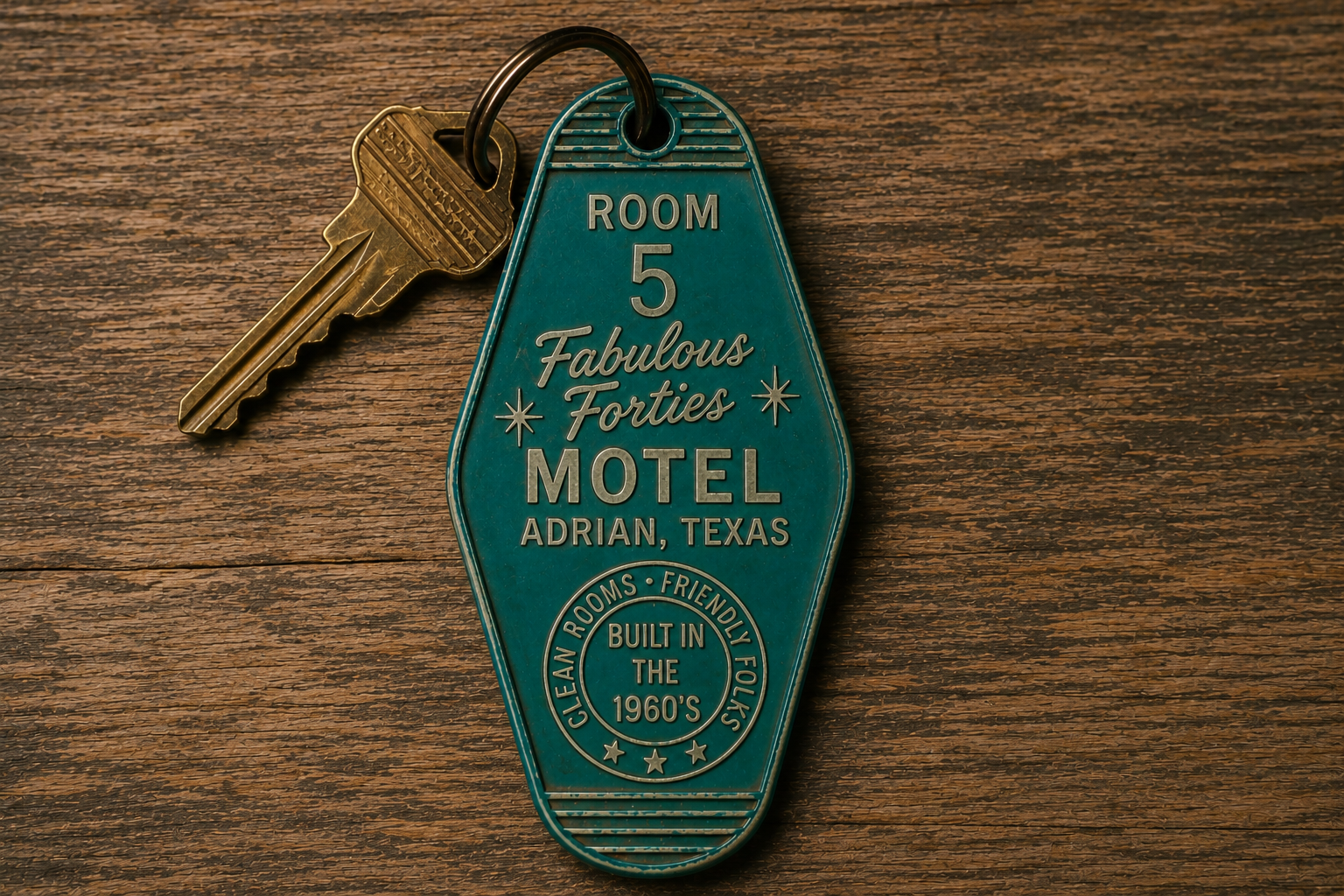
Room 5 at the Fabulous Forties Motel. The key survived. What happened in the room is between you, God, and Route 66.
A small experiment in objects, memory, place, and what happens when you look closely at the things most people walk past.
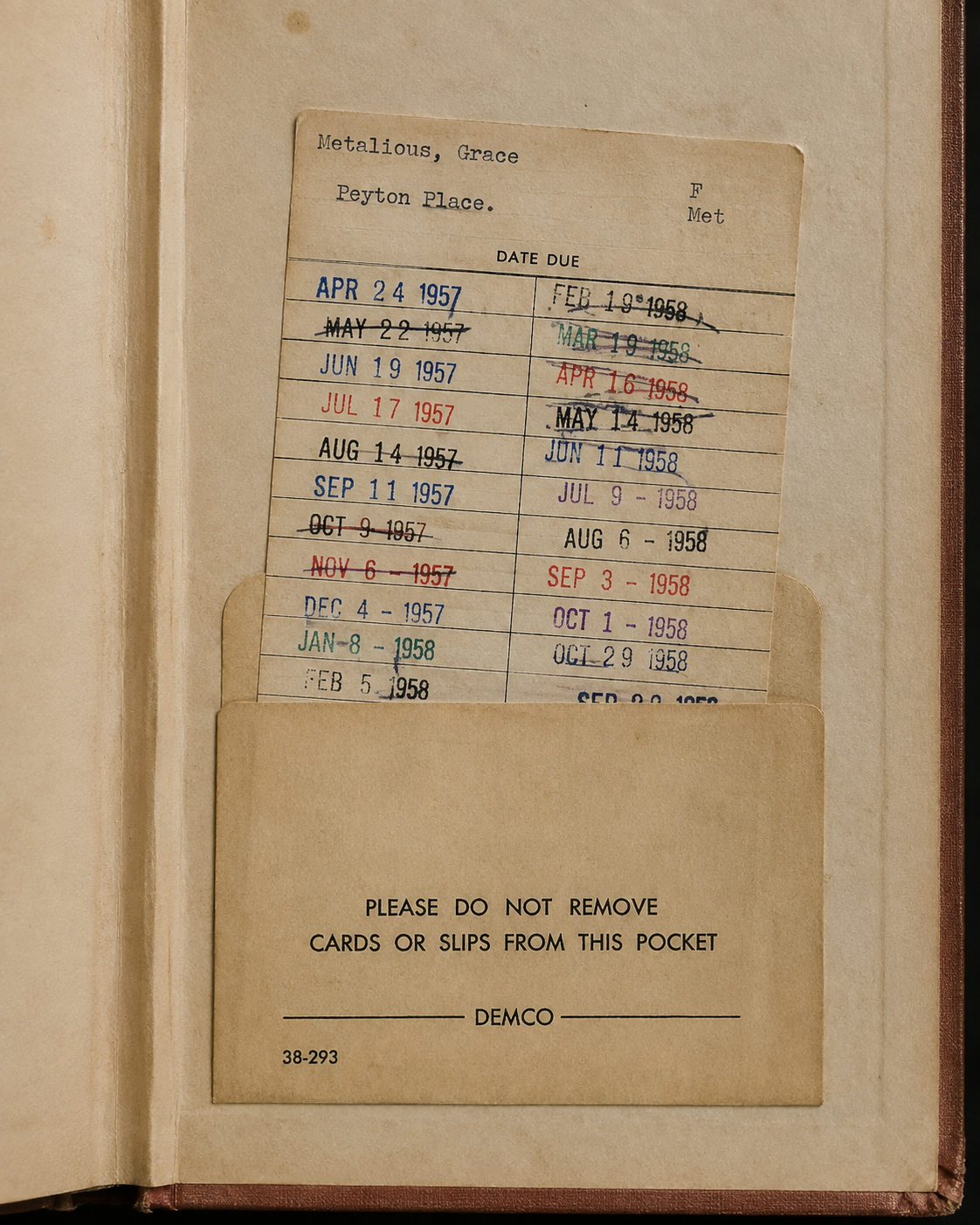
A library card records the quiet procession of readers who took Peyton Place home, one scandalous checkout at a time.
I have a weakness for small things.
Esoteric museums. Pocket notebooks. Weird stuff that most people walk past. Photographs that don’t immediately announce what they’re photographs of. Little books you can hold in one hand.
But I don't think I'm actually interested in the stuff.
I'm interested in the stories.
More specifically, I'm interested in people—and in the things they leave behind that allow us to find our way back to them. When I visit new places, what stays with me isn't simply the collection of stuff. It was the realization that objects can carry people forward.
The object isn't the story.
The person is.
A photograph. A letter. A record. Something made by hand. Something used every day. Something so ordinary that nobody could possibly have known, while using it, that someday it would become evidence of a life.
I think I've been chasing that idea ever since.
Twenty-five little squares
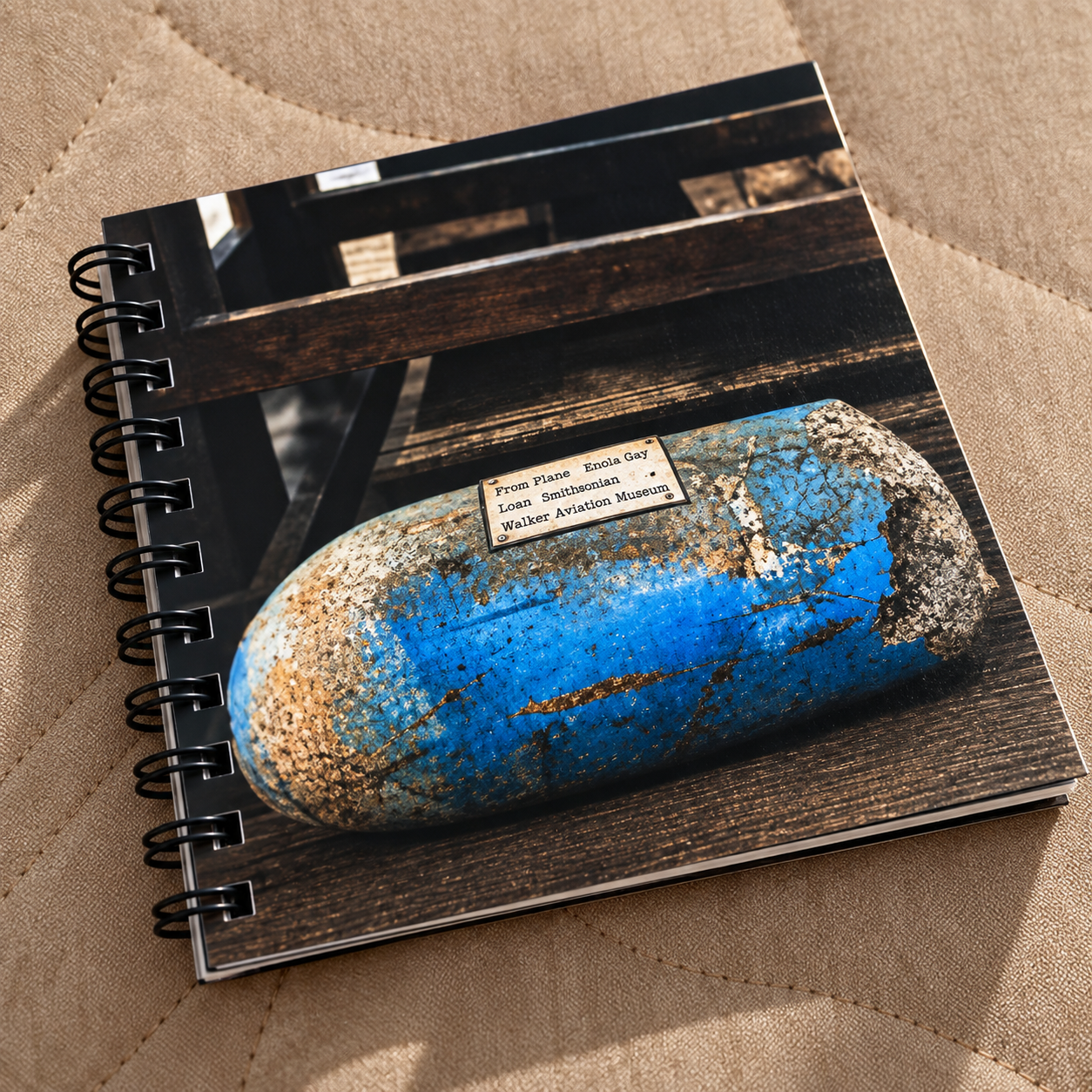
That became much clearer to me while working on a tiny book about the Walker Aviation Museum in Roswell, New Mexico.
I have stood in Hiroshima.
I have visited the Bomb Dome at dawn and walked through the primary school that stands 200 yards from the epicenter–places where the scale of history becomes so incomprehensibly large that you have to look away to survive. I have stood in front of the Enola Gay at the Smithsonian's Udvar-Hazy Center outside Washington, D.C. I take every chance I have to make that pilgrimage. It used to be so accessible you could reach out over the walkway and touch it.
They have since erected a plexiglass barrier.
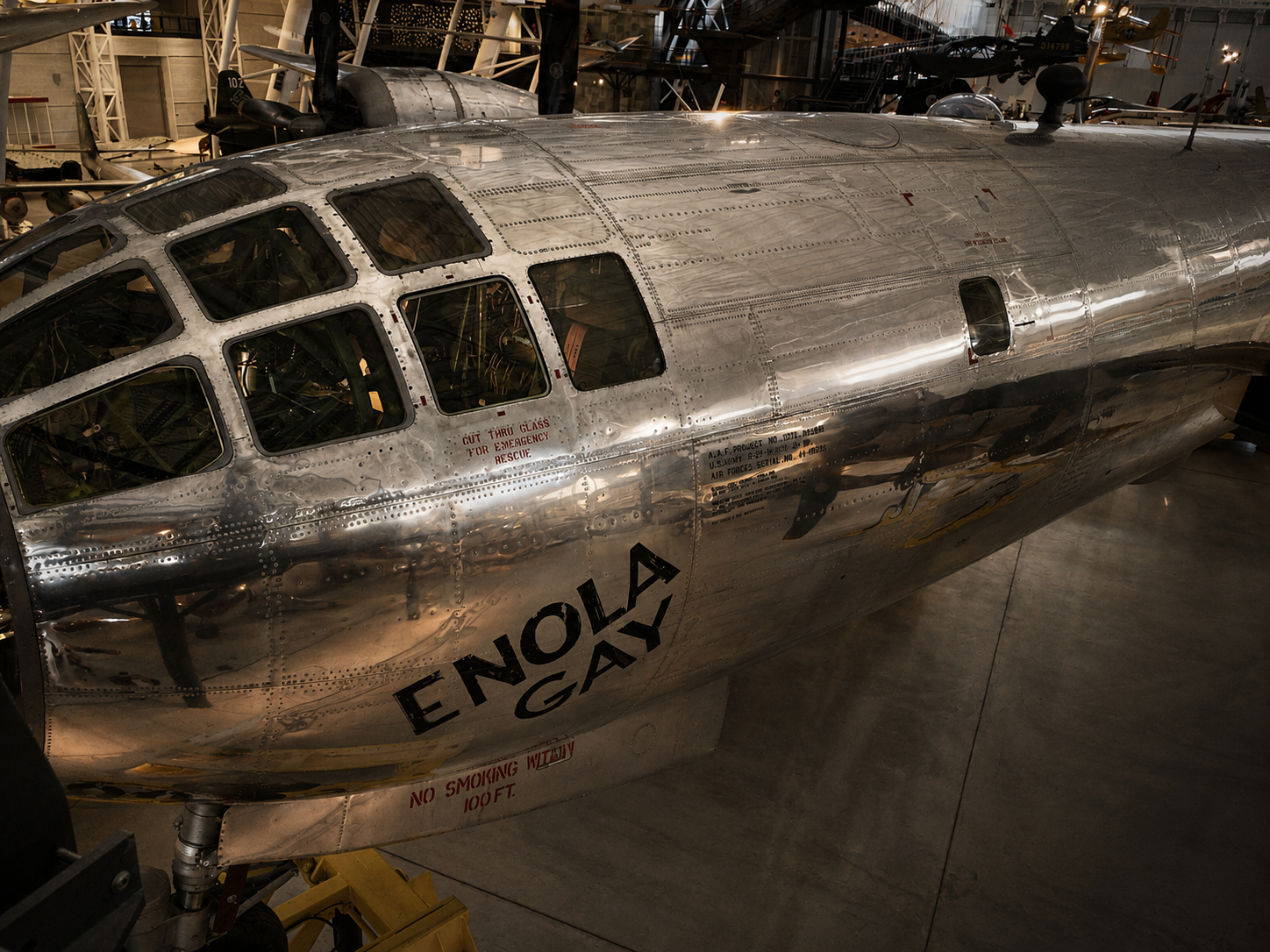
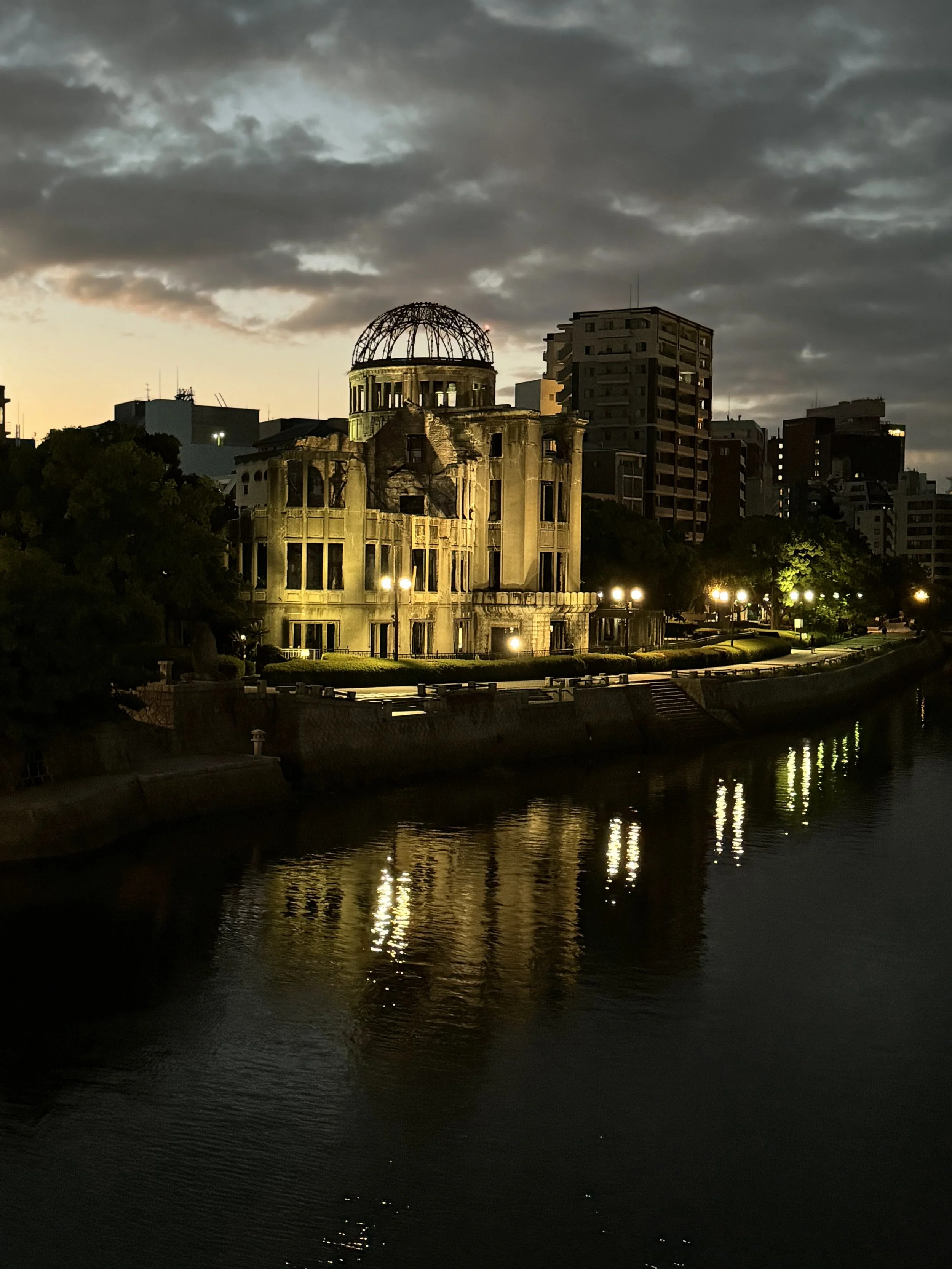
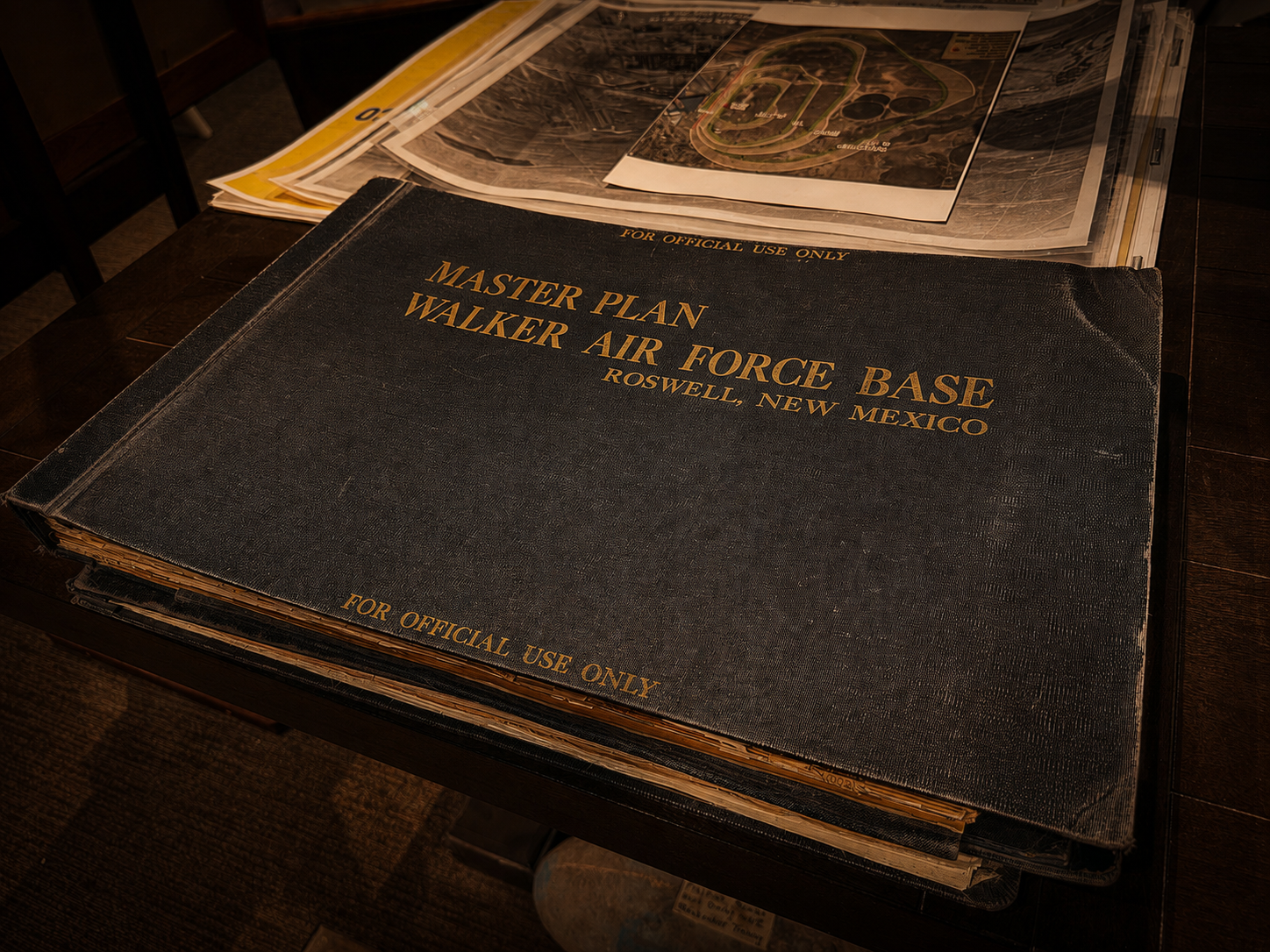
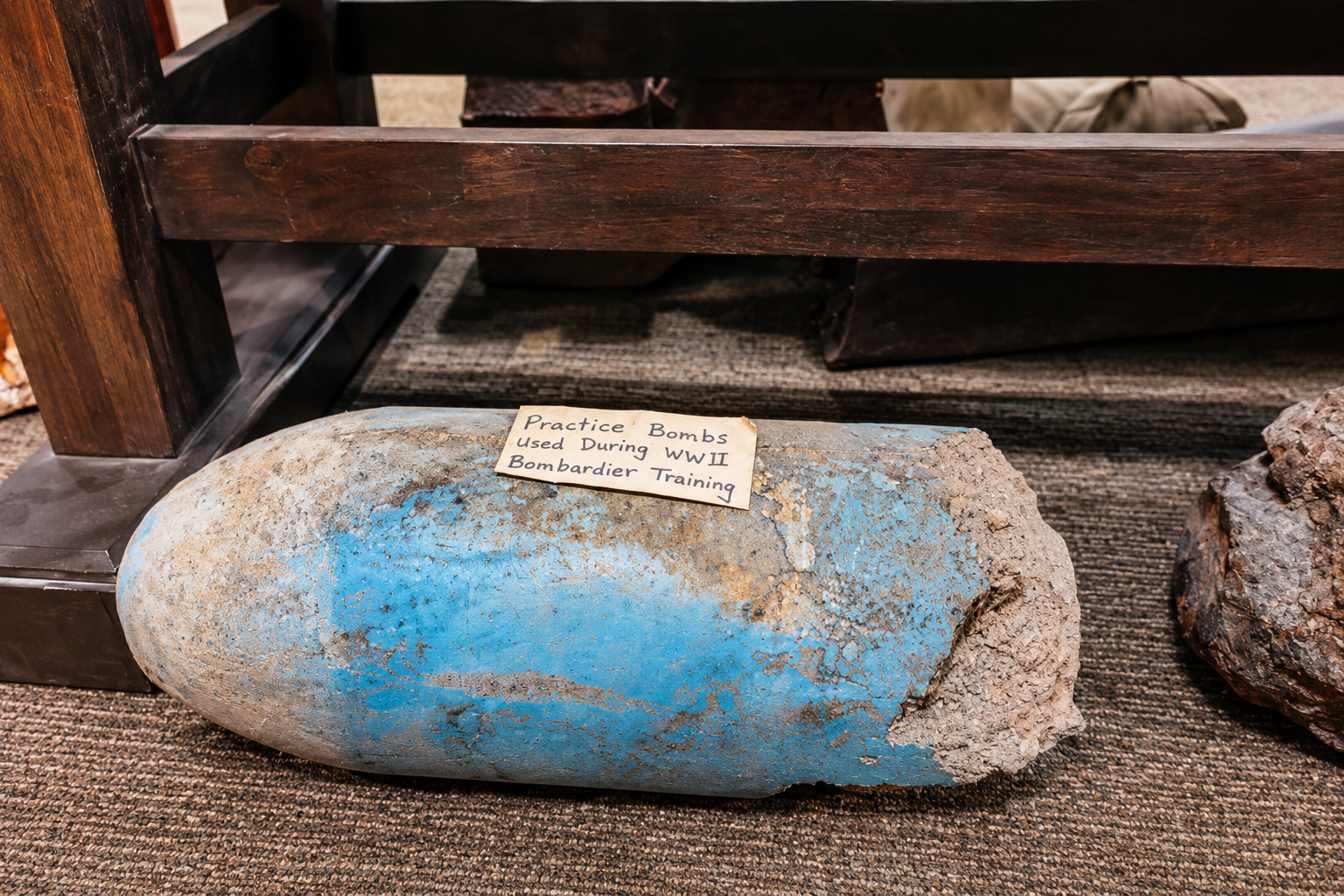
Of course the things themselves do matter.
Some artifacts carry enormous historical weight before we ever encounter them. We already know we are supposed to stop. We know we are looking at something important.
But while photographing the Walker Aviation Museum, I became fascinated by something else.
The small pieces.
A turnstile that only opens out so that no one else can ever get in. A map and globe. Instruments. A manual. An oxygen regulator. Signal equipment. Parachutes. A navigator's log.
Individually, they are nowhere near as imposing as a B-29 sitting in a vast museum hangar. They don't announce themselves as monuments.
But together they began to tell a story.
Looking through my photographs afterward, I realized I hadn't really photographed a collection of military artifacts.
I had photographed people.
People planning. People learning. People navigating. People maintaining equipment. People preparing to leave. People waiting for others to return.
The objects were simply what remained.
The little things changed the way I understood the big ones.
The art of constraint
Then I found the same idea somewhere completely different.
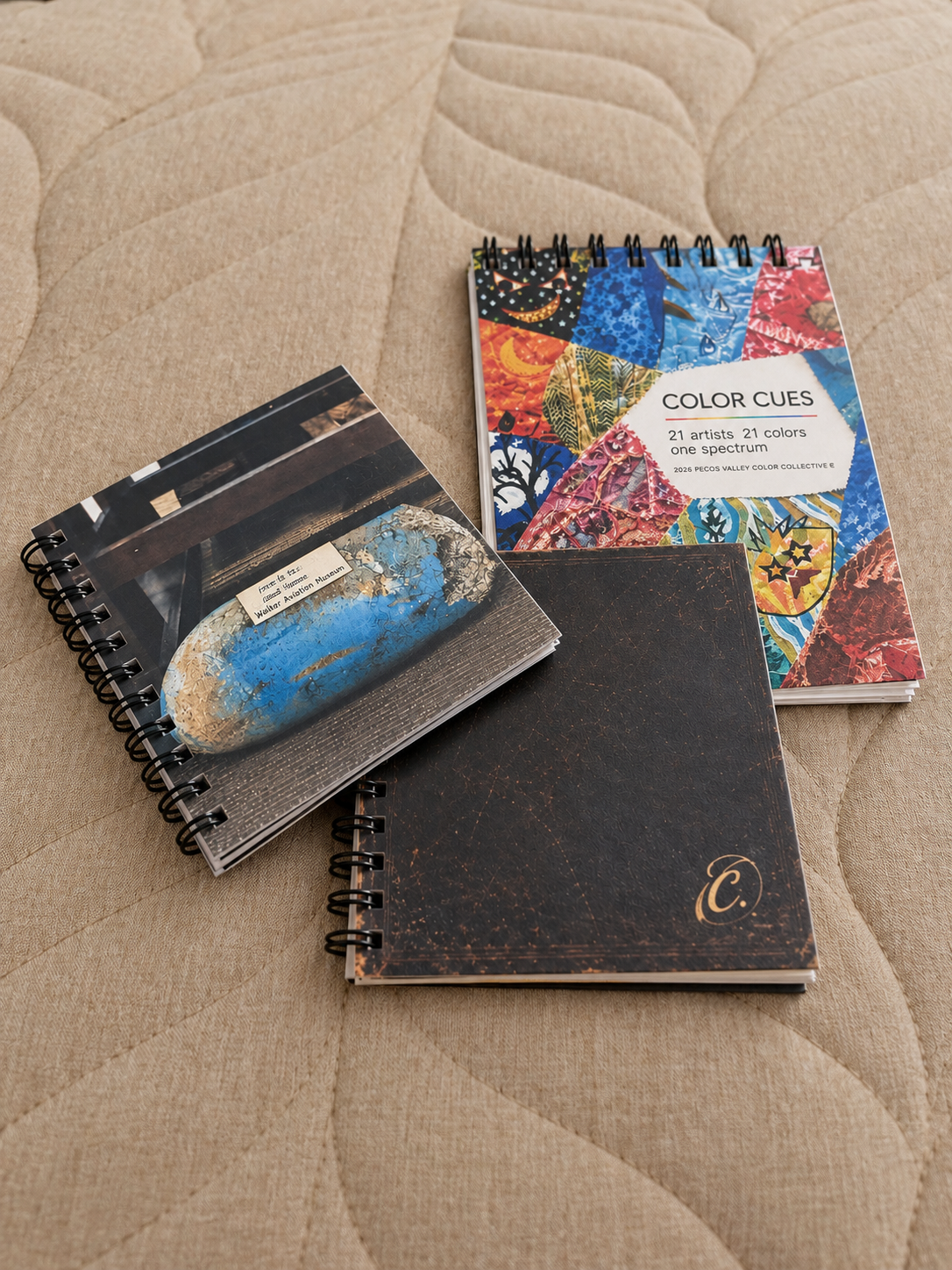
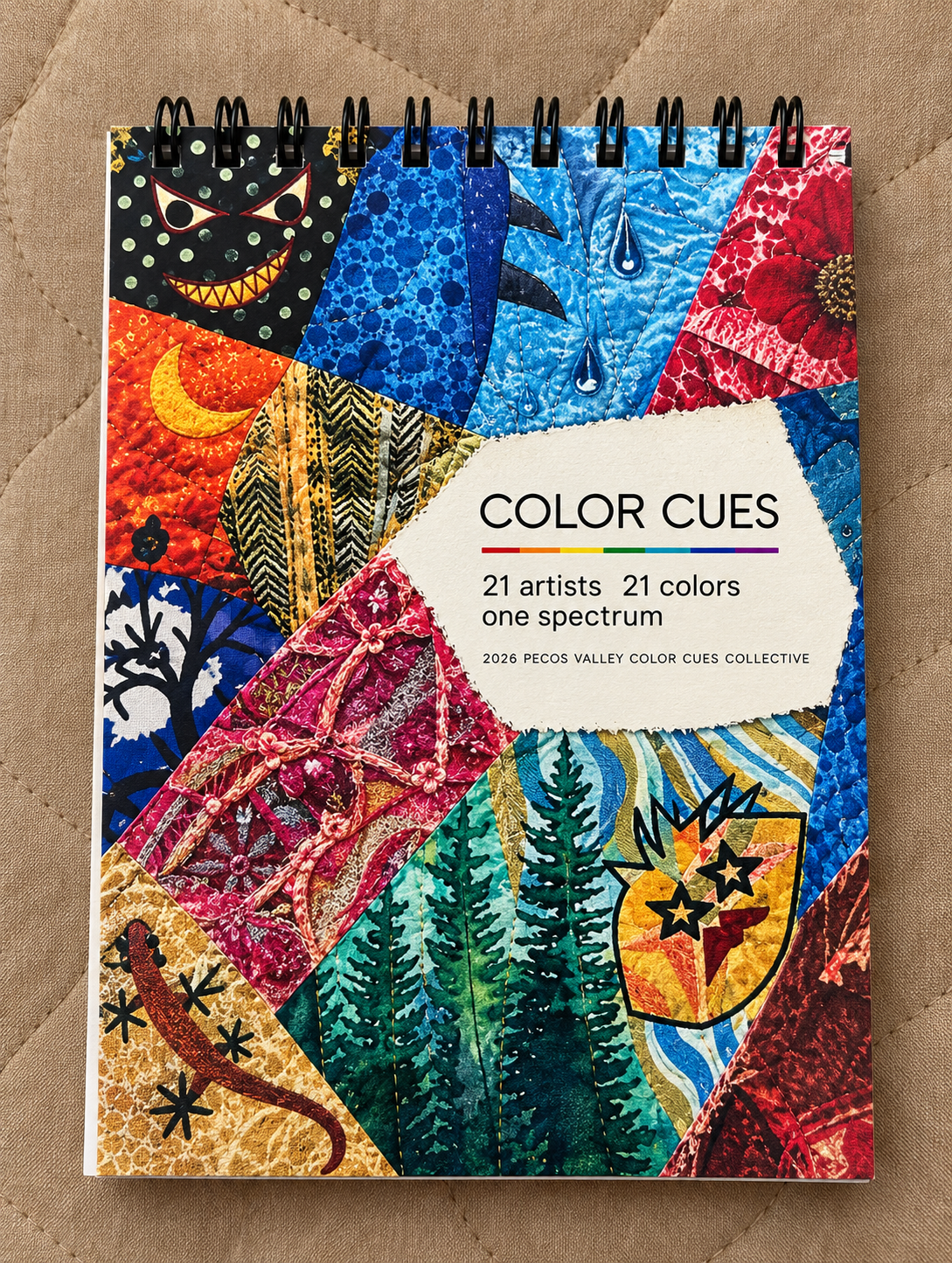
At Roswell's Museum of Miniatures & Curious Collections, twenty-one artists participated in the Pecos Valley Color Cues Challenge. Each was given a remarkably simple set of constraints:
Use this color. Make the quilt this size.
That's it.
Americans have a somewhat celebrated tendency to rebel against rules—especially rules that feel arbitrary. Tell twenty-one artists that they must work in a prescribed color and within a prescribed physical space, and restriction seems like the obvious result.
Instead, look what happened.
The project became a spectrum in two different senses.
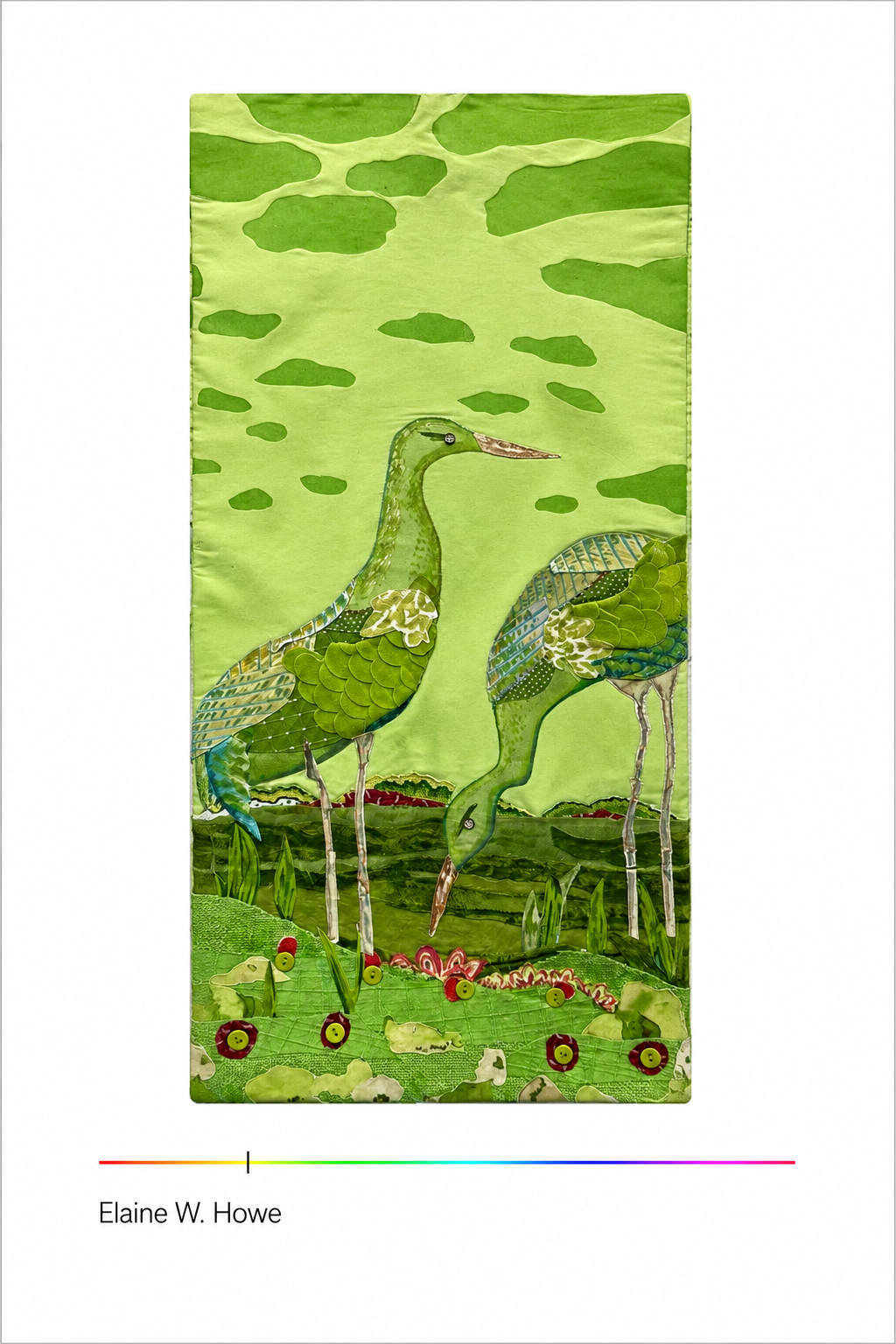
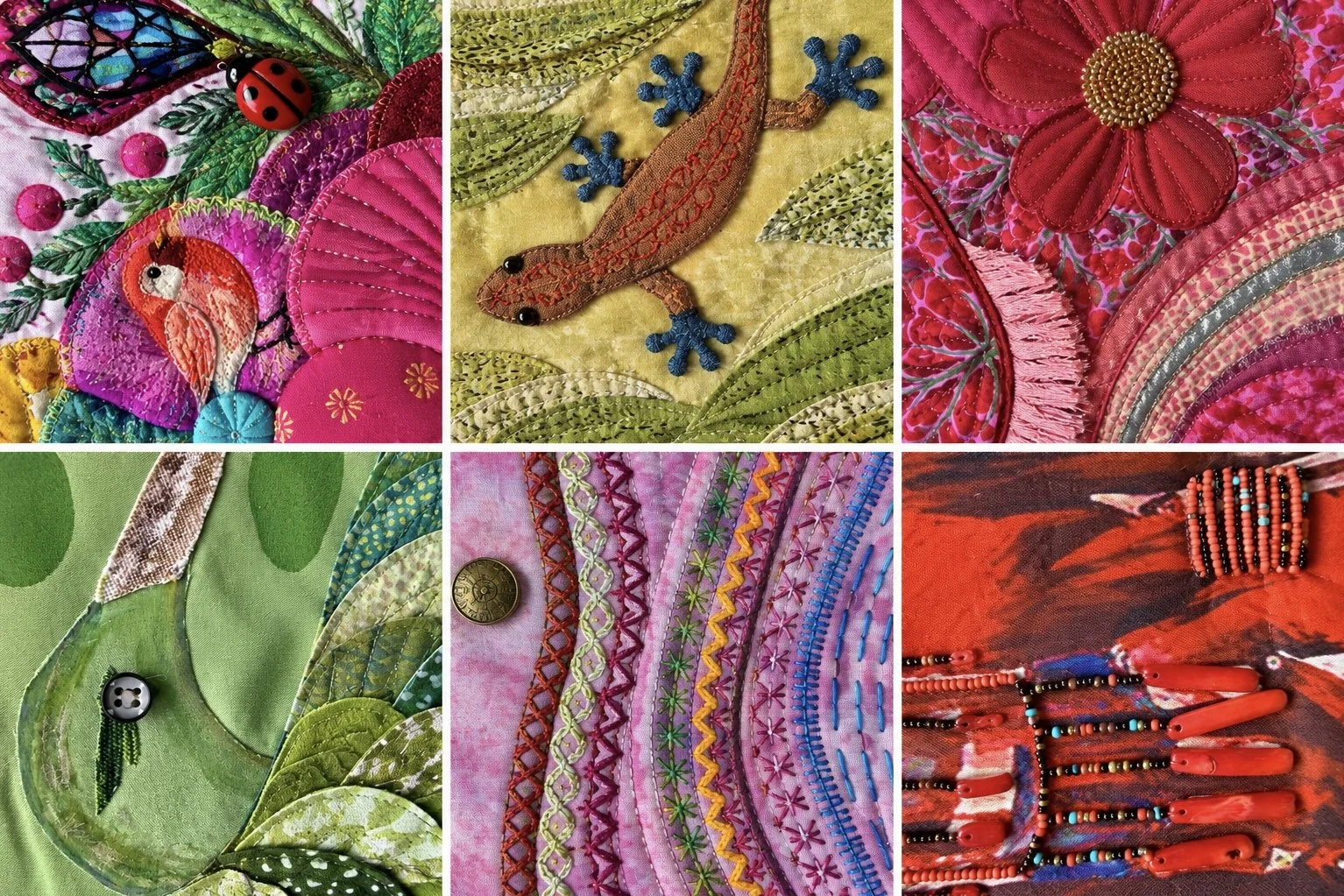
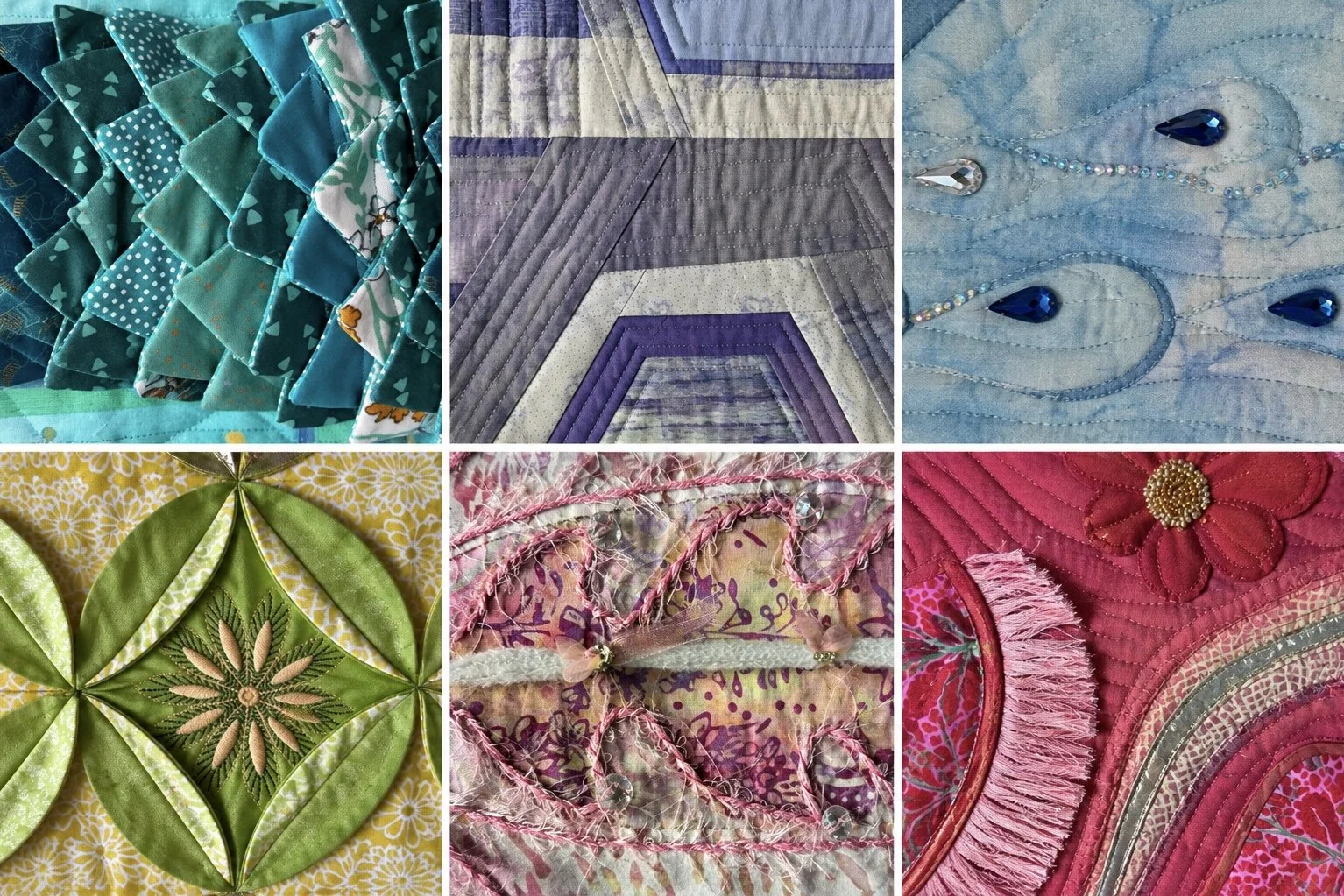
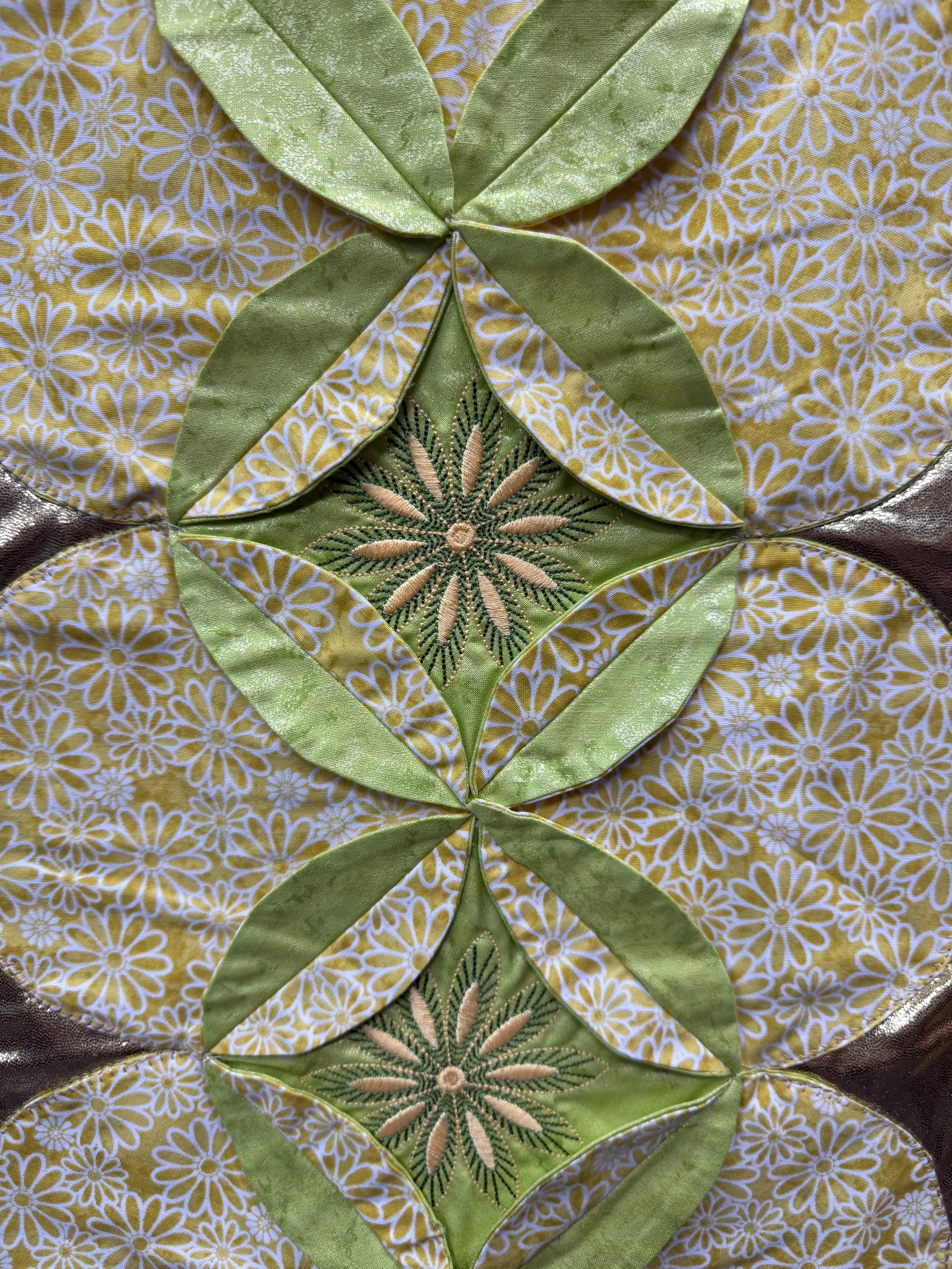
There is the visible spectrum of color, of course.
But there is also an extraordinary spectrum of individuality.
Twenty-one people received essentially the same instruction, and twenty-one distinct visual languages exploded from it.
Some are geometric. Some organic. Some restrained. Some exuberant. Some immediately reveal themselves, while others reward a closer look.
The constraint didn't erase individuality. It made individuality impossible to miss.
That's what I want my photographs to capture. Not twenty-one quilts, but twenty-one human responses to the same problem.
Maybe that's also why I keep coming back to these little books.
Because I've given myself a constraint, too:
25 images.
4 × 4 inches.
That's the space I get.
For me, the art isn't just in capturing the individual images. It's in figuring out how to tell a complete story in such a tiny space, using almost nothing but pictures.
How do I show someone else what I saw, give them the opportunity to feel what I felt, and authentically recreate the experience for them when this is all I have?
That's the problem I find irresistible.
A subject like American military aviation could warrant an entire museum. Hiroshima has generated libraries of scholarship. There are archives, museum catalogs, documentaries, memoirs, histories and thousands of books devoted to these subjects.
And I have twenty-five squares.
So what stays?
What disappears?
Which photograph needs to come before another photograph for the second one to mean something different?
When does an image stop being a photograph of an object and become a sentence in a story?
How much can I leave out and still have the story remain?
Those decisions are as much a part of the work as pressing the shutter button–which, incidentally, I’m doing on my phone.
In some ways, the limitation is absurd. How do you tell a story that warrants museums, catalogs, archives and thousands of books in twenty-five 4 × 4-inch images?
You can't tell all of it.
That's precisely what makes the problem interesting.
You have to decide what story you're actually trying to tell.
And, admittedly, I quite enjoy absurdity. I lean into it with aplomb at every opportunity.
Little books, big stories
There is something about the physical scale of these books that feels right to me.
A little book isn't a monument. You don't stand back from it.
You pick it up.
You turn it around.
You bring it closer to your face.
You move through it one image at a time.
It asks for intimacy rather than awe.
And perhaps intimacy is another way of telling a very large story.
The Walker book and the Color Cues book are the first experiments in something I want to keep doing.
I want to make more of them.
More places. More people. More collections. More overlooked objects. More peculiar little histories. More stories that might otherwise disappear.
And the constraint stays:
25 images.
4 × 4 inches.
Twenty-five chances to make you see what I saw.
But my favorite part of this project may be much simpler than all of that:
The tiny books are for me.
Of course, you always hope somebody else will appreciate the work. I hope people pick these up and see something in them. I hope they notice something they hadn't noticed before. I hope occasionally somebody sees one and thinks, I know a story you should tell.
But if nobody else ever cares about them at all, I'll still have something wonderful.
I'll be amassing a collection of really fun little keepsakes from the places I visit.
A tiny library of things I created that belongs to me.
People I learned about.
Stories I don't want to forget.
And maybe that's the point.
The stuff isn't the story.
People are the story.
Objects, photographs and little books just give us ways to remember them.
Because as long as somebody remembers—and somebody keeps telling the stories—something of those people survives.
So I'll keep looking.
And I'll keep making little books.
Do you have a space or project with a story you'd like me to tell?
If so, read a little more about me and get in touch. I'd love to hear about it.
